

In this section, we will explore the impact of over and short errors from different perspectives and provide in-depth information about this type of accounting error. In the context of financial statements, cash equivalents are crucial for assessing a company’s liquidity and financial health. They provide insight into the company’s ability to meet short-term obligations without having to secure additional financing. Investors and analysts closely examine these figures to evaluate the company’s operational efficiency and financial stability. Understanding the classification of cash and cash equivalents is vital for accurate financial analysis.
- By addressing these issues proactively, banking institutions can maintain the trust and confidence of their customers and investors.
- It includes currency, coins, and amounts held in checking accounts that are readily available for use in day-to-day operations.
- In this case, we can make the journal entry for cash shortage by debiting the cash account and the cash over and short account and crediting the sales revenue account.
- This clear delineation aids in the accurate assessment of a company’s working capital and liquidity position.
- This term is also synonymous with the cash-over-short account, which businesses use to record these discrepancies.
Cash and Cash Equivalents: Accounting for Liquid Assets in Financial Statements

Cost is the monetary measure (cash) that has been given up in order to buy an asset. An expense is a cost that has expired or been taken up by activities that help generate revenue. Current assets, like cash, are used or turned into cash within a year for short-term needs. Non-current assets are for the long-term and https://www.bookstime.com/ can’t be quickly turned into cash.
Company
These standards ensure consistency, reliability, and comparability of financial information across different entities and periods. Cash and cash equivalents are vital components of a company’s financial statements, representing the most liquid assets available. These assets are recognized when they are received and measured at their nominal value. This straightforward approach ensures that the financial statements reflect the actual cash position of the entity. Cash represents the most liquid form of is cash over and short an asset asset available to a business and is a fundamental component of a company’s financial statements. It includes currency, coins, and amounts held in checking accounts that are readily available for use in day-to-day operations.
Account Types
The primary components of cash and cash equivalents encompass cash on hand, bank balances, and short-term investments like Treasury bills and commercial paper. These instruments are chosen for their stability and minimal risk, making them ideal for maintaining operational flexibility. Companies rely on these assets to manage daily transactions and unexpected expenses efficiently. This usually happens when we make mathematical errors during the day of the sales. In this case one balance sheet asset (cash), has been increased by 1,488 when the cash is banked. This account allows companies to analyze discrepancies, implement better controls, and make improvements to prevent future occurrences.

Cash and cash equivalents are typically presented as the first item under current assets on the balance sheet, reflecting their high liquidity. Management is responsible for establishing policies and procedures that govern the handling and recording of liquid assets. These policies should be designed to ensure accuracy, completeness, and timeliness of financial information. Continuous monitoring and periodic reviews of internal controls help in identifying and addressing any weaknesses or lapses in the system. Recognition of cash equivalents involves identifying short-term, highly liquid investments that are readily convertible to known amounts of cash.
- Correcting Over and Short errors requires careful analysis and attention to detail.
- Financial statements provide stakeholders with a clear understanding of a company’s financial health.
- Imagine that a teller at a local bank miscounts cash, resulting in a discrepancy between the recorded transactions and the actual amount of money present.
- The cash over and short is recorded on debit when there is a shortage.
- In summary, regular reconciliation is a vital process for any business.
- Cash over short, however, is an account used to track discrepancies between reported and audited figures related to cash transactions.
Debunking Myths About Cash Management
Savings accounts are safer for keeping your money liquid than other investments. Yet, it’s important to weigh cash investments against other options. Keeping operating expenses in check is vital for maintaining a good cash flow.
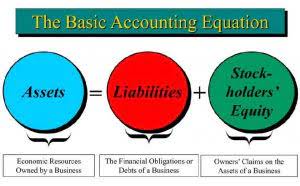
The balance sheet provides a snapshot of a company’s financial position at a specific point in time, and cash is prominently displayed as a current asset. These characteristics make cash an essential component of a company’s financial health. Financial Forecasting For Startups It provides a readily available source of funds for operational expenses, investments, and debt repayment, ensuring the smooth functioning of the business.
Accounting Standards
This error occurs when the amount of money received or disbursed does not match the amount recorded in the company’s records. Overages happen when more money is received or disbursed, while shortages occur when less money is received or disbursed. The impact of over and short errors can be severe, causing financial losses and even legal consequences.